
large dressing table mirror with lights
The Significance of Pad Iron in Modern Construction and Design In the realm of construction and design, materials play a pivotal role in determining both the structural integrity and aesthetic appeal of a project. Among these materials, pad iron has emerged as a significant element used in various applications. Traditionally, pad iron refers to a flat piece of iron or steel plate that is employed to distribute weight or pressure over a wider area. Its versatility and strength make it an essential component in both historical and contemporary building practices. The origins of pad iron can be traced back to ancient civilizations, where metalworking techniques were developed to improve structural stability. Initial uses of pad iron were primarily for reinforcing wooden structures, bridging gaps, or providing additional support to key components. Through the ages, as construction techniques evolved, so too did the applications of pad iron. Today, it is commonly found in a wide variety of constructions, from residential buildings to large-scale industrial projects. One of the most critical functions of pad iron is its ability to distribute weight effectively. In engineering terms, this is known as load distribution. When heavy materials or machinery are placed on a surface, the pressure can cause stress points that may lead to structural failure. Pad iron helps mitigate this risk by spreading the weight across a larger area, thereby reducing the likelihood of damage. This function is particularly vital in settings like bridge construction, where the integrity of the entire structure depends on the even distribution of weight. In addition to its structural advantages, pad iron also serves an important aesthetic function. In modern architecture, the exposure of raw materials such as iron and steel has become a popular design choice. Many architects integrate pad iron into their projects to create an industrial look, blending old-world materials with contemporary design elements . This trend not only celebrates the material’s historical significance but also showcases its robustness and practicality. pad iron Furthermore, pad iron has found applications beyond basic construction. In the realm of art and sculpture, artists have begun to utilize pad iron in their works to achieve unique structural and visual effects. Its malleability allows for creative designs that push the boundaries of traditional forms. Whether used in landscaping, sculptural pieces, or innovative architectural canopies, pad iron contributes a rugged yet elegant touch. Another noteworthy application of pad iron is in the realm of bridge building. Bridges must handle not just static loads but also dynamic forces due to vehicular and pedestrian traffic. Pad iron is often used in the construction of expansion joints and bearings, which allow structures to accommodate movement caused by temperature changes or heavy loads. By providing additional support and flexibility, pad iron helps ensure that bridges remain safe for public use, demonstrating its critical role in civil engineering. Beyond its physical applications, pad iron also holds a symbolic place in our architectural heritage. It represents the intersection of function and form, embodying the principles of durability and design. The use of pad iron in restoration projects highlights its significance in preserving historical structures, proving that modern materials can harmonize with traditional craftsmanship. In conclusion, pad iron is a material that has stood the test of time, evolving from its basic function of weight distribution to becoming a multifaceted element in modern construction and design. Its strength, versatility, and aesthetic appeal continue to inspire architects, engineers, and artists alike. As we move forward into an increasingly complex architectural landscape, the enduring presence of pad iron serves as a reminder of the importance of functionality and creativity in building a better world. Emphasizing both its practical applications and its artistic potential, pad iron remains a foundational element in the evolution of our built environment.
about
large dressing table mirror with lights
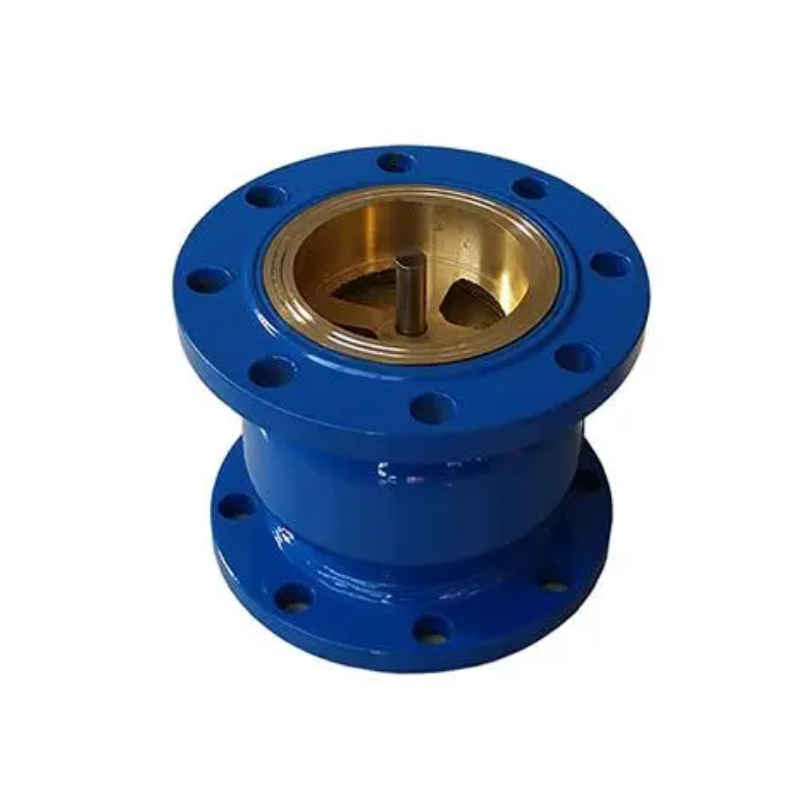
Understanding the Price of 300mm Gate Valves Gate valves are an essential component in various industries, serving as mechanisms for controlling the flow of liquids and gases in pipelines. When it comes to specific applications, the size and type of valve required can significantly influence the price, with the 300mm gate valve being a common choice in many settings. This article explores the factors influencing the price of 300mm gate valves, providing insights into making informed purchasing decisions. What is a 300mm Gate Valve? A gate valve is designed to allow or block the flow of fluid through a pipeline. The 300mm specification refers to the valve's diameter, indicating that it is capable of managing substantial volumes of flow. Gate valves are preferred for on-off applications and are not typically used for flow regulation due to their design, which can disrupt the flow if partially opened. They are widely used in water supply systems, wastewater management, and industrial processes. Factors Influencing the Price of 300mm Gate Valves 1. Material Composition The material used in manufacturing gate valves significantly affects pricing. Common materials include cast iron, stainless steel, and bronze, each offering different durability, resistance to corrosion, and pressure handling capabilities. For example, a stainless steel 300mm gate valve will generally cost more than a cast iron equivalent due to its superior properties and longevity. 2. Design and Features The complexity of the gate valve design can also influence its price. Valves with additional features, such as blow-off valves, locking mechanisms, or automated actuation systems, will be priced higher due to increased manufacturing costs. Standard manual gate valves are typically less expensive than their automated counterparts. 300mm gate valve price 3. Brand and Manufacturer Reputation Renowned manufacturers often command higher prices due to their reputation for quality and reliability. Investing in a gate valve from a well-regarded supplier may provide peace of mind, particularly in critical applications where failure could result in significant losses. However, there are also many reputable brands offering competitive pricing without compromising quality. 4. End-User Applications The industry in which the valve will be used can also affect pricing. For instance, valves designed for industrial applications may be more robust and therefore more expensive than those intended for residential or light-duty applications. Understanding the specific requirements of your application is vital to ensuring you choose the right valve at a reasonable price. 5. Market Conditions Fluctuations in the steel and manufacturing markets can lead to volatility in valve pricing. Supply chain issues, tariffs, and global market demands all play a role in determining the final cost of valves. As these factors evolve, prices may increase or decrease, impacting budgeting for procurement. 6. Shipping and Handling Finally, shipping costs can add to the overall price of a 300mm gate valve. Depending on the supplier's location and the shipping method chosen, transport costs can vary significantly. It's worth looking at multiple suppliers to find the best total price, including shipping. Conclusion The price of a 300mm gate valve can range widely based on various factors including material, design, brand reputation, and market conditions. It's crucial to conduct thorough research and possibly consult with industry experts to ensure you are making an informed decision. Understanding your specific application needs and the associated costs can help you choose the right gate valve that not only meets your operational requirements but is also a prudent financial investment. By taking the time to evaluate your options, you can secure a reliable gate valve that delivers value for money in the long term.
-

High quality industrial productsagement

High quality industrial products
View Details -

Meet the diverse needs of customers

Meet the diverse needs of customers
View Details -

Strict quality control

Strict quality control
View Details -

Top raw materials

Top raw materials
View Details -

Trusted supplier

Trusted supplier
View Details
Our application

news and information
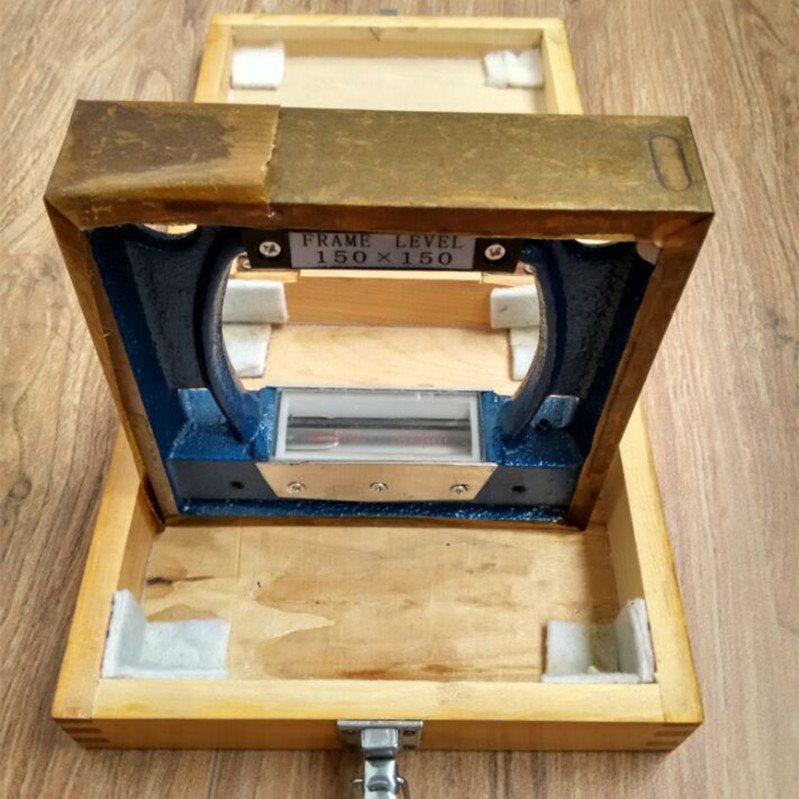
Vis mig et vaterpas til præcise målinger
Vis mig et vaterpas Vaterpas er en uundgåelig værktøj i både byggeri og håndværk, men har også en dy

Wooden connectors for timber structures
The Indispensable Role of Wood Timber Connectors in Modern Construction Wood timber connectors play
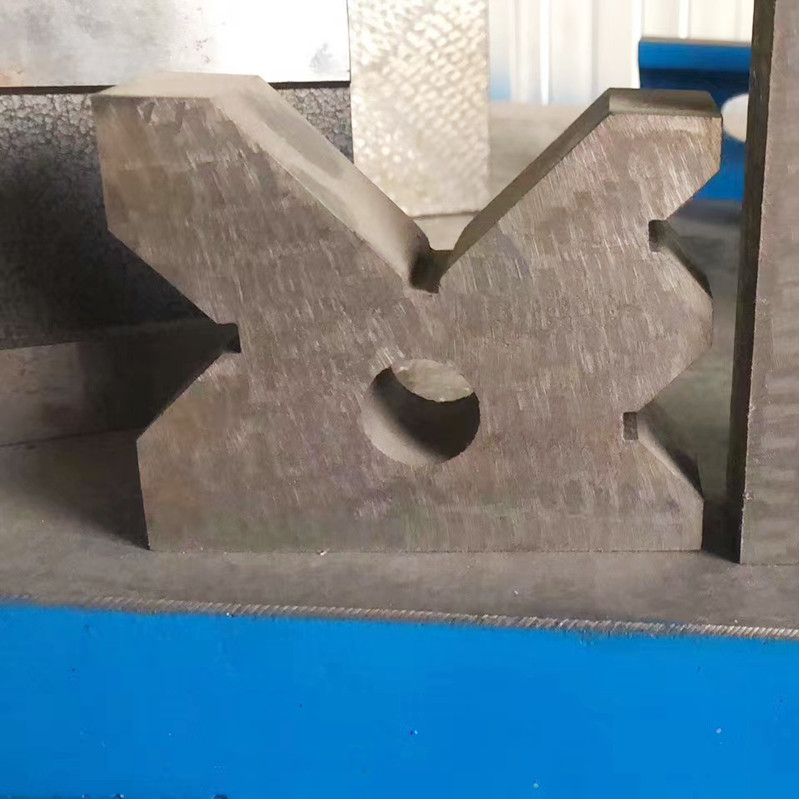
v block
Understanding the V Block in Modern Technology In the fast-paced world of technology, the term V b
 English